



News
Preserving the past, building for the future – why heritage restoration is key to a sustainable built environment
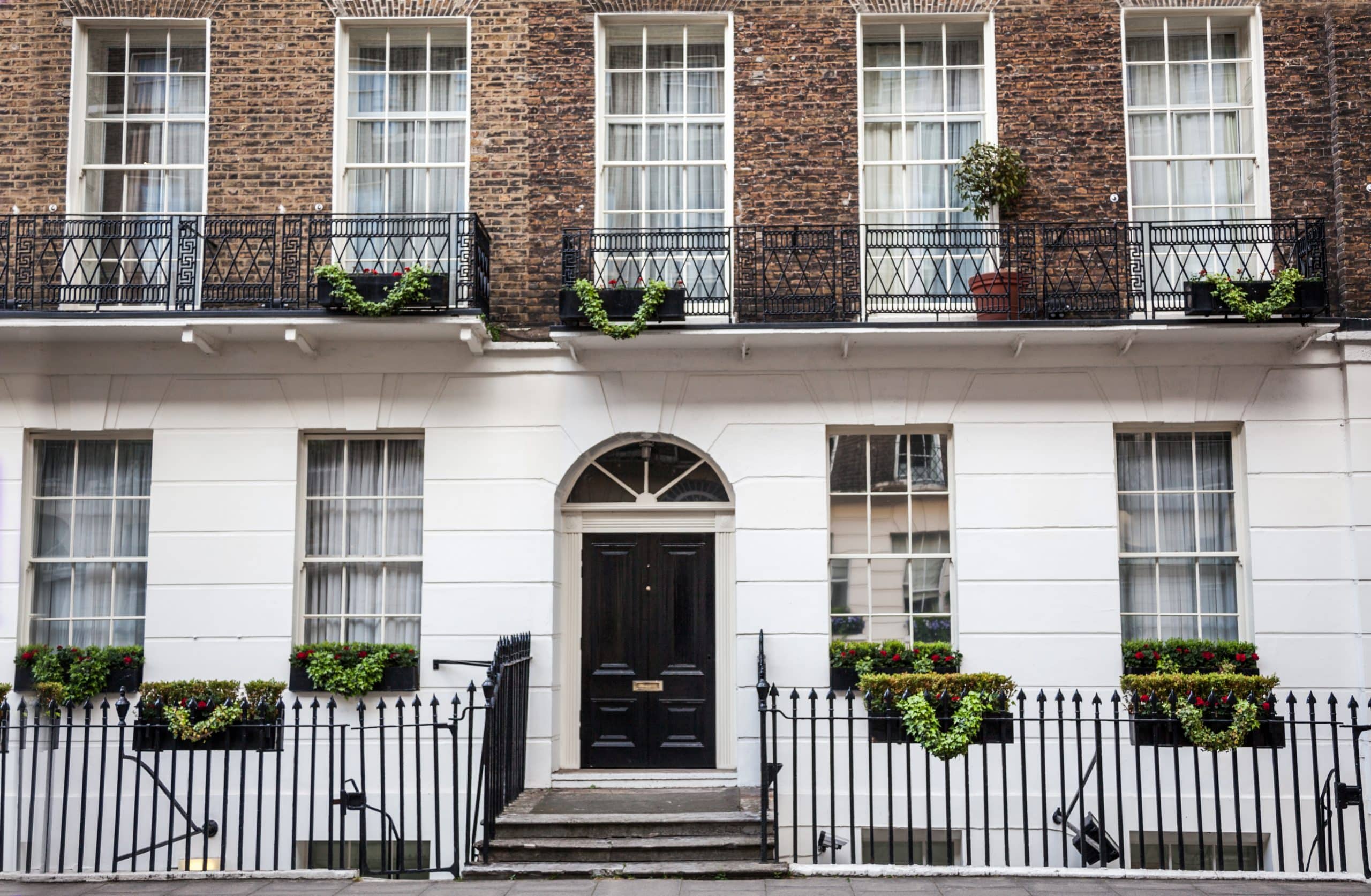
The UK has the oldest housing stock in Europe, with more than 5.9 million homes built before 1919 and a further 4.3 million before 1944. Together, these properties account for roughly 17% of the UK’s carbon emissions, making them a significant part of our sustainability challenge. However, with the right approach, they can be part of the solution.
When we talk about energy efficiency, we often forget that the most sustainable building is the one that already exists. Repairing, maintaining, and retrofitting older properties can reduce carbon emissions by 30%–50% compared to demolition and rebuild. For listed buildings, however, the challenge is greater. Strict planning controls exist for good reason, to protect heritage significance, however, they can limit the ability to introduce modern performance upgrades. That’s why restoration, not replacement, plays such a vital role, offering a route to improved comfort and efficiency without compromising authenticity.
At Ventrolla, this principle lies at the core of everything we do. Our work and technical advancements are built around the ‘restore, don’t replace’ philosophy. We champion sympathetic restorations that allow homeowners to enjoy modern levels of comfort and energy efficiency while preserving the architectural character that makes period homes so special. Through innovation and craftsmanship, we aim to show that sustainability and heritage can work hand in hand.
A cornerstone of this approach is the Ventrolla Perimeter Sealing System (VPSS). A draught-proofing technology which creates an effective barrier against cold air and draughts entering your property, while preventing heat loss.
Typically fitted as standard to all renovated existing windows, as well as all replacement sash and casement windows or doors. The VPSS delivers measurable performance benefits. It helps eliminate rattles and draughts, protects against water and dust ingress, and provides superior soundproofing, with noise reduction levels of up to 6–10 dB(A). It also offers smoother window operation and can improve the Window Energy Rating (WER) by up to 30%.
Due to its unobtrusiveness and availability in any colour, the VPSS is recognised by planning authorities and conservation officers. It conforms to BS 7386:1997, BS EN 12207:2000 and BS6375-1:2009 Class 3, ensuring both performance and authenticity.
Alongside the VPSS, our signature Sash Removal System (SRS), makes ongoing maintenance safer, easier, and less disruptive. The SRS eliminates frustrations like lost sash cords and the need for scaffolding during routine maintenance, whether for existing or newly crafted windows. Its unique ‘brake’ mechanism secures sash cords firmly in place and allows for effortless removal of upper and lower sashes, providing unrestricted access to the box frame for easy maintenance. It is also discreetly mounted inside the sash, meaning it is hidden internally and externally during normal use.
While technology can help, there’s no one-size-fits-all approach for historic buildings. Each property is unique in its materials, construction and character, which is why we advocate for a holistic approach combining passive and active measures. Passive options should always come first, improving natural ventilation by regularly opening windows to improve airflow, using shutters and curtains for thermal control and applying breathable materials to prevent trapped moisture. Active strategies such as controlled mechanical ventilation or air conditioning can complement these measures. It’s about achieving balance, managing heat gain and retention, improving comfort and reducing emissions, all without compromising the building itself.
However, the challenge extends beyond the buildings themselves. Inconsistent interpretation of guidance by local councils often causes confusion and delay. To address these issues, we recently launched a series of heritage roundtables. The second event, held in September, brought together representatives from Historic England, the National Trust, the British Woodworking Federation, and others. The discussions reinforced that while the guidance itself is incredibly solid, inconsistent local interpretation remains a key issue. For example, work permitted on a property in York may not be allowed on an identical building in London, an inconsistency that must be resolved for the sector to progress.
Balancing energy efficiency and historical integrity isn’t about compromise, it’s about understanding. To meet the net zero targets, we don’t have to erase the past, but rather we need to embrace it. By retaining and restoring the properties and finding smarter and more sensitive ways to make the buildings fit for purpose, we can ensure they remain standing for generations to come.