


Windows & Doors
Decoding Victorian Sash Windows: Proportions, Profiles, and Panes
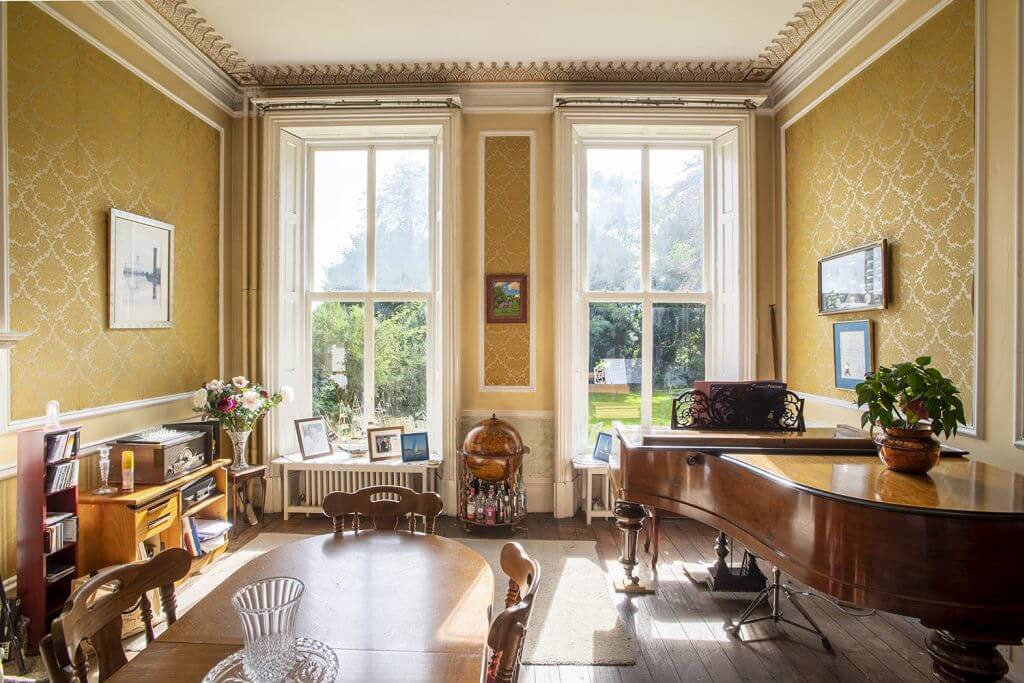
Victorian architecture left an enduring mark on the streetscapes of the UK, with one of its most defining features being the elegant, vertically sliding sash window. While these windows share a lineage with earlier Georgian designs, Victorian sash windows developed their own distinctive identity—shaped by shifts in architectural taste, advances in glazing technology, and a growing middle class eager to display status through ornate homes. This article explores the defining characteristics of Victorian sash windows, examining their proportions, profiles, and panes in detail.
The Architectural Context
The Victorian era (1837–1901) was a time of great change, not only socially and economically, but also architecturally. Influenced by Romanticism and a revival of Gothic and Classical styles, Victorian homes were often richly detailed, with sash windows evolving to complement these varied tastes. Sash windows were no longer merely functional openings; they became expressive elements in the façade, both ornate and integral to the overall composition of the building.
Proportions: Moving Beyond Georgian Symmetry
Earlier Georgian sash windows were known for their strict proportions—tall, narrow, and uniformly aligned with an emphasis on symmetry. In contrast, Victorian sash windows were often broader and could vary significantly depending on the style of the house. Bay windows became popular, bringing sash windows into curved or angular arrangements that broke away from the flat, ordered Georgian elevations.
Victorian window openings tended to be taller on the ground floor, tapering in height as you moved up the façade. This arrangement emphasized grandeur at eye level while maintaining visual hierarchy. In terraced housing, you often see these windows framed by arched brick lintels or decorative hood moulds, adding visual interest and further breaking from Georgian restraint.
Profiles: From Simplicity to Ornamentation
The glazing bar profiles of Victorian sash windows also reflect their era’s evolving tastes. While Georgian windows typically featured delicate glazing bars with refined mouldings (like the classic “Lamb’s Tongue”), Victorian glazing bars were often thicker and more robust in profile. They needed to be: Victorian sash windows were designed to accommodate larger panes of glass, made possible by advances in glass manufacturing during the Industrial Revolution.
Another significant profile development during this period was the introduction of sash horns. These were the curved or angled extensions at the base of the upper sash’s vertical stiles. Initially introduced to reinforce joints weakened by the removal of glazing bars (due to larger glass panes), sash horns became a stylistic identifier of Victorian windows. We’ll cover their function in more detail in a separate post, but it’s worth noting their dual purpose: part structural, part decorative.
Panes: Bigger, Clearer, and Fewer
Victorian windows marked a clear shift in glazing patterns. While earlier Georgian sash windows typically featured six-over-six pane arrangements (or even eight-over-eight in earlier examples), Victorian windows often featured two-over-two or one-over-one pane configurations. This was made possible by the advent of plate glass and cylinder glass, which allowed for larger, clearer panes.
The reduction in the number of panes was more than just a technical evolution—it also signified a shift in aesthetic preference. As the century progressed, there was an increasing desire for clearer, unobstructed views and for homes to appear more “modern” and less cluttered by grids of glass.
However, Victorian designs were far from monolithic. In Gothic Revival homes, for instance, you might still find multi-paned sash windows with pointed heads, or windows arranged in groups with ornate tracery. The Queen Anne Revival of the late 19th century often reintroduced smaller panes—typically in the upper sash only—combined with a larger single-pane lower sash.
Timber and Construction in Victorian Sash Windows
Victorian sash windows were almost exclusively made from softwoods such as pine, typically imported from Scandinavia or the Baltic region. These timbers were slow-grown and resinous, known for their durability—especially when properly maintained. The quality of joinery during this time was generally high, with mortise and tenon joints and hand-finished mouldings.
Counterbalance systems using sash weights and cords were standard by the Victorian period, enclosed within hollowed-out boxes in the window frame. These box sash windows remain a feat of mechanical simplicity and elegance.
Paintwork and Colour
While earlier periods favoured white-painted sashes, Victorian colour schemes were often more varied and darker, particularly in the latter half of the century. Deep greens, oxblood reds, and even black window sashes were not uncommon, chosen to match the more sombre and richly decorated exterior palettes of Victorian homes.
Victorian Sash Windows Today
For homeowners and conservationists, understanding the distinctions of Victorian sash windows is key to making informed decisions about repair, restoration, or replication. Retaining original proportions and profiles is not just about authenticity—it’s often essential for complying with local conservation guidelines.
Where windows are missing or severely damaged, carefully matched replacements—ideally made using traditional methods and materials—can ensure that the heritage character of the property is preserved. Details like sash horns, moulding profiles, and correct pane arrangements all matter in this process.
Victorian sash windows stand as a testament to the era’s marriage of function and ornament. Their generous proportions, thoughtful profiles, and simplified glazing patterns reflect broader trends in architecture and technology. Whether you’re a homeowner restoring a Victorian terrace or a conservation officer reviewing a listed property, decoding the subtle details of sash window design can offer deeper insights into the character and history of the building itself.
